

Flight Simulators: Bringing the Skies Down to Earth
From desktop setups at home to FAA-approved full-motion rigs used in airline training, flight simulators have become an essential tool in aviation education.
They offer a realistic, risk-free way to learn—but they're not without limitations. Here's a look at where Flight Simulators shine and where they fall short.
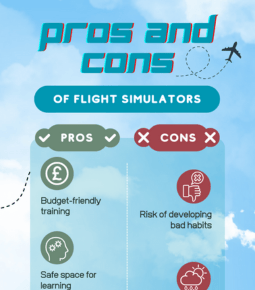
Advantages of Flight Simulators
Budget-friendly training:
Simulators offer a cost-effective way to learn key aviation skills. You can practice takeoffs, landings, navigation, and systems operations without racking up fuel costs or hourly aircraft rental fees.
Safe space for learning:
Simulated emergencies—like engine failures or instrument issues—can be practised in complete safety. It's the ideal environment to make mistakes and learn without real-world consequences.
Unlimited repetition:
Need to perfect a crosswind landing or emergency procedure? Simulators allow you to run scenarios as many times as needed, helping turn complex manoeuvres into second nature.
Mastery of procedures:
From checklist drills to cockpit workflows, simulators build strong habits and confidence by reinforcing standard operating procedures and cockpit discipline.
Accessible for all levels:
Whether you're into flying a Cessna, a commercial airliner like the A320, or even military jets, there's a simulator for every aircraft type and skill level.
Limitations of Flight Simulators
Lack of real flight sensations:
Even the most advanced simulators can't fully replicate physical flight cues—like turbulence, g-forces, or the subtle feedback felt through the controls.
Risk of developing bad habits:
Without proper instruction, especially in at-home setups, it's easy to adopt poor techniques or overlook important procedures.
Can't fully mirror real flight conditions:
Professional sims still fall short of capturing the unpredictability of real weather or the unique quirks in how different aircraft handle.
Over-dependence on visuals:
Simulated flying can encourage reliance on visual cues rather than instinctive flying skills—something that's crucial when flying under VFR conditions in the real world.

