

What Safety Measures Are In Place on Flying Lessons?
02 September 2026
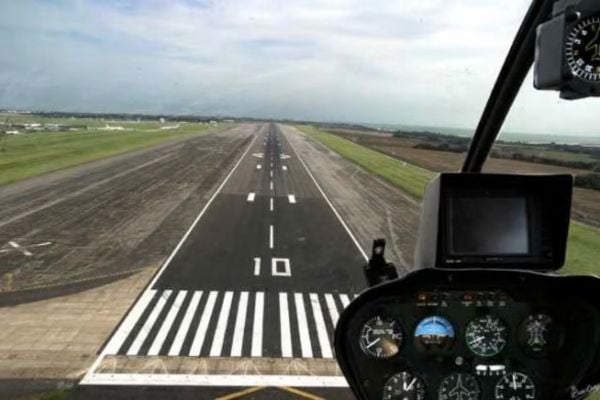
- A guide to the safety measures, checks and briefings involved in Flying Lessons.
- What to expect from instructors, aircraft preparation and safety procedures before taking to the skies.
- Explore safety on Aeroplane Flying Lessons and Helicopter Flying Lessons, from pre-flight checks to debriefs.
When you book a flying lesson, it is understandable to wonder just how much thought goes into keeping everything safe. After all, you are not exactly climbing into a car and heading around the corner for a quick spin. You are getting into an aircraft, heading skywards and potentially taking control yourself. Fortunately, safety is a big part of the experience from the moment you arrive.
In fact, Flying Lessons are about much more than simply getting airborne. A proper lesson includes preparation on the ground, guidance from a qualified instructor and plenty of checks before you leave the runway. The aim is to make the experience exciting without leaving you wondering what on earth you are supposed to do once the engine starts.
It Starts With a Pre-Flight Briefing
Before you get anywhere near the controls, your instructor will take you through a pre-flight briefing. This is where you are introduced to the aircraft, the relevant safety procedures and what you can expect during the flight.
For someone completely new to flying, this is particularly important. You are not expected to turn up knowing your altimeter from your elbow. Flying lessons are designed to be suitable for beginners, with the instructor guiding you through each stage of the experience.
The briefing is also a chance to understand what will happen once you are airborne. Depending on the experience, you may get to have a hands-on go at the controls, learning the basics of manoeuvring, climbing, descending and turning while your instructor remains there to guide you.
Pre-Flight Checks Are Part of the Lesson
One of the most important things to understand about a flying lesson is that the safety work does not begin when the wheels leave the ground. The pre-flight checks are a key part of the experience itself, with the lesson covering preparation before the aircraft takes off.
This is actually one of the more interesting aspects if you are considering learning to fly properly. The time spent on the ground is not simply waiting around for the exciting bit. It forms part of the learning process and gives you an insight into how pilots prepare before heading into the sky.
That makes a flying lesson rather different from simply booking a passenger flight. You are not just sitting back and admiring the view. You are learning what goes into operating an aircraft safely, with an experienced instructor explaining the process along the way.
You Are Instructed by Qualified Professionals
Perhaps the biggest reassurance for a first-time flyer is knowing that you will not be left to figure things out yourself. Flying tuition is delivered by fully qualified and licensed flight instructors, with experiences taking place through flight training organisations, flying schools, airfields and flying clubs.
The instructors bring their experience and knowledge into the lesson, guiding you through the controls and helping you understand what is happening throughout the flight. For Aeroplane Flying Lessons, the available experiences include sessions with fully licensed, experienced and qualified instructors at a variety of airfields and flying clubs.
For those more interested in rotor blades than wings, Helicopter Flying Lessons also provide hands-on tuition with CAA-qualified helicopter instructors. The experience is designed to introduce you to rotary-wing flight while giving you expert guidance as you take control.
The Instructor Is There Throughout the Experience
One of the biggest differences between a flying lesson and simply going along for a flight is the involvement of the instructor. You are learning under their guidance rather than being expected to know what to do yourself.
During the flight, the instructor can guide you through the basics, including manoeuvring, climbing, descending and turning. This means your first experience of handling an aircraft is structured around instruction rather than simply being thrown into the deep end.
It is also why these experiences can work so well for complete beginners. You do not need previous aviation experience before taking a flying lesson. The whole point is that you are there to learn.
Different Aircraft, Same Focus on Preparation
The exact experience will vary depending on whether you choose an aeroplane or helicopter, but the emphasis on preparation and qualified instruction remains.
Aeroplane lessons can range from shorter introductory sessions to longer lessons and training packages, with some experiences offering flight time that can contribute towards a Private Pilot's Licence, depending on the individual training programme.
Helicopter lessons offer a similar opportunity to get hands-on with the aircraft, with eligible flight time potentially counting towards a Helicopter Pilot's Licence. The experiences are delivered with CAA-qualified instructors, giving aspiring pilots the chance to learn in a properly guided environment.
So, whether you fancy sitting behind the controls of a light aircraft or getting to grips with a helicopter, the lesson is about learning how to fly as well as enjoying the experience.
What About the Weather?
Weather is an obvious consideration whenever you are planning to fly, and it is one of the reasons flying experiences are organised around specific dates and venues. Lessons take place at a wide selection of airfields, airports, flight training centres and flying clubs, with available dates listed through regularly updated calendars.
The Aeroplane Flying Lessons Calendar allows you to browse available dates across the UK, with filters for dates, regions and venues. It is designed to show which trial flights are running on particular days, making it easier to find a suitable session.
There is also a Helicopter Flying Lessons Calendar, which is regularly updated with upcoming dates supplied directly by the experience providers. You can search by date, region and venue to find available helicopter lessons.
There Is a Debrief Afterwards Too
Safety and learning do not simply stop when the aircraft lands. Flying lessons typically include time for a debrief afterwards, giving you the chance to go over the experience with your instructor.
That makes sense when you think about it. You have just spent time learning something completely new, so being able to reflect on what happened is an important part of the overall experience.
For anyone considering progressing towards a pilot's licence, this becomes even more valuable. A flying lesson can be the first step towards more structured training, rather than simply being a one-off thrill.
So, How Safe Are Flying Lessons?
The important thing is that safety is built into the experience rather than treated as an afterthought. You start with a briefing, learn about the aircraft and safety procedures, take part in pre-flight preparation, fly under the guidance of a qualified instructor and finish with a debrief.
You also have the reassurance of experienced and appropriately qualified instructors, whether you choose an aeroplane or helicopter lesson. The result is an experience that lets beginners get a genuine taste of flying while learning in a structured environment.
And that is really the beauty of a flying lesson. You get the excitement of leaving the ground, but you also get to see what actually goes into making a flight happen safely. So if you have always wondered what it would be like to sit in the pilot's seat, there is no need to wait until you know every button in the cockpit. That is rather the point of having an instructor there.

