

The History of the Tiger Moth Plane
08 July 2025
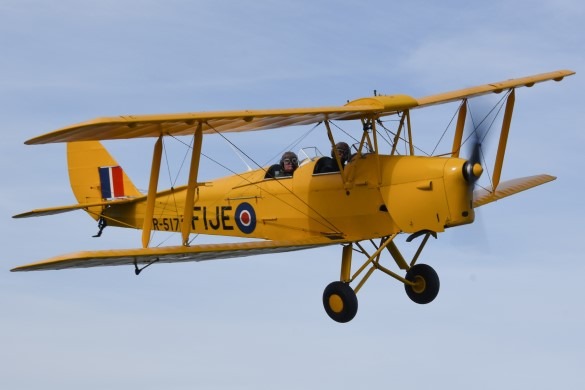
Few aircraft have earned such enduring admiration as the de Havilland Tiger Moth. With its classic biplane wings, open cockpit, and unmistakable silhouette, it embodies the spirit of aviation's golden era —a time when fearless young pilots trained to defend the skies in the face of global conflict.
But this aircraft was more than just a beautiful flyer; it was a vital workhorse in preparing generations of pilots for wartime service and remains a cherished symbol of British innovation and aviation heritage.
Origins: A Trainer Born from Necessity
The story of the Tiger Moth begins in the early 1930s, when renowned aircraft designer Geoffrey de Havilland set out to develop a more capable training aircraft for the Royal Air Force. The earlier DH.60 Moth had proven successful as a civilian trainer, but as global tensions rose, the RAF needed something more robust—an aircraft that could shape novice flyers into combat-ready pilots.
The result was the DH.82 Tiger Moth, which first took to the skies in 1931. Designed to be easy to handle but challenging enough to master, it was ideal for teaching the fundamentals of flight. Powered by the reliable de Havilland Gipsy Major engine, it featured a lightweight frame and open tandem cockpits, allowing instructors to oversee every movement of their trainees with ease.
A Wartime Workhorse
When World War II broke out, the Tiger Moth became a cornerstone of Allied pilot training. It served as the backbone of the British Commonwealth Air Training Plan, one of the largest aviation training efforts in history, producing over 130,000 aircrews across countries such as Canada, Australia, New Zealand, and South Africa.
Between 1931 and the end of the war, more than 8,800 Tiger Moths were built. They became the standard trainer across many Allied air forces thanks to their forgiving handling, low maintenance costs, and reliability. And while they were designed as trainers, Tiger Moths were also adapted for a variety of roles—from reconnaissance missions and liaison duties to being modified as light bombers in times of urgent need.
From Battlefield to Flying Clubs
Following the war, surplus Tiger Moths flooded the civilian market. They were quickly embraced by flying clubs, private collectors, crop-dusting operations, and aerial performers around the world. With their nostalgic charm and nimble handling, they became a favourite for aerobatics, scenic flights, and barnstorming displays.
To this day, the Tiger Moth remains a popular fixture at air shows and heritage events, where its distinctive engine growl and vintage appearance continue to turn heads and spark conversations.
Tiger Moth Flying Experiences with Flydays
At Flydays, you can step into the cockpit of this aviation legend and experience the thrill for yourself. We offer a range of Tiger Moth Flight experiences at airfields across the UK—perfect for history enthusiasts, vintage aircraft lovers, or anyone wanting to tick a truly unique adventure off their bucket list.
Accompanied by a CAA-certified flight instructor, you'll get a hands-on flying session in an authentic World War II-era Tiger Moth. Learn how to read the cockpit instruments, taxi along the runway, take off into open skies, and enjoy the sensory rush of flying with the wind in your face and the roar of the engine beneath you.
Your Tiger Moth Questions Answered
Why is it called the "Tiger Moth"?
Geoffrey de Havilland, a keen amateur lepidopterist (a person who studies butterflies and moths), drew inspiration from nature when naming his aircraft. The original DH.The 60 Moth resembled a moth with its foldable wings, and the "Tiger" prefix was added to convey a more powerful and spirited evolution of the earlier model.
How many Tiger Moths are still flying today?
Approximately 250 airworthy Tiger Moths are still flying around the world, thanks to dedicated restorers and collectors. Many previously static display models have been lovingly brought back to life. Museums featuring Tiger Moths can be found in Canada, Australia, the Netherlands, Sweden, Chile, Israel, the United States, and Scotland.
How much does a Tiger Moth cost to own?
Owning a Tiger Moth isn't cheap, but for enthusiasts, it's a dream worth pursuing. A well-maintained airworthy model typically costs £50,000 to £60,000, with prices rising for aircraft with fewer hours or newer materials.
- Hangar fees: ~£3,000 per year
- Insurance: ~£1,000+ annually, depending on pilot experience
- Fuel: ~£50 per flying hour
- Maintenance: Expect to budget at least £2,500 annually, plus occasional costs for tyres, spark plugs, and other components
- Engine work: A major engine repair or replacement is among the most significant potential expenses
Take Flight in a Legend
Whether you're a seasoned aviator, a lover of vintage machinery, or simply chasing a one-of-a-kind thrill, the Tiger Moth promises an unforgettable experience. With nearly a century of history in its wings, this aircraft invites you to climb aboard, take the controls, and feel the magic of flying, just as thousands of RAF pilots once did.
Book your Tiger Moth Experience with Flydays today and discover what it's like to fly a true icon of the skies.
Like this blog? Why not read some related blogs to this one:

